Buy firelle.be ?
We are moving the project
firelle.be .
Are you interested in purchasing the domain
firelle.be ?
domain@kv-gmbh.de · 0541-91531010
Buy firelle.be ?
When do you use the past perfect progressive and the past progressive?
The past perfect progressive is used to describe an action that was ongoing in the past before another action took place. For example, "She had been studying for hours before her friends arrived." On the other hand, the past progressive is used to describe an ongoing action in the past without reference to another action. For example, "She was studying when her friends arrived." Both tenses are used to provide context and clarity about the timing of events in the past. **
What is the difference between the Past Progressive and the Past Perfect Progressive?
The Past Progressive tense is used to describe an ongoing action that was happening in the past. It is formed by using the past tense of the verb "to be" (was/were) and the present participle of the main verb (e.g. "was running"). On the other hand, the Past Perfect Progressive tense is used to describe a continuous action that was happening in the past before another action took place. It is formed by using the past perfect tense of the verb "to be" (had been) and the present participle of the main verb (e.g. "had been running"). In summary, the Past Progressive describes an ongoing action in the past, while the Past Perfect Progressive describes a continuous action that had been happening before another action in the past. **


Similar search terms for Past Progressive
Top-Angebote
Products related to Past Progressive:
-
Coeur Ardent Doigt Vibrant à Double Moteur INFERNOFaites glisser vos doigts et sentez la vibration s’éveiller sous la peau. C’est instantané. La main s’anime, le rythme change, la curiosité monte. Avec le Doigt Vibrant à Double Moteur INFERNO de Coeur Ardent, chaque geste devient une découverte.Deux moteurs pour une intensité maîtrisée 🔥Ce petit37,99 €*Shipping: 0,00 €Secure redirect to the provider
-
GOLA Baskets à scratchs, DAYTONA BLAZE STRAPDétails produit • Usage sportswear • Talon plat • Fermeture : A scratchs Composition et Entretien • Dessus/Tige : 80% polyuréthane, 20% cuir • Doublure : 100% textile • Semelle intérieure : 100% textile • Semelle extérieure : 100% caoutchouc • CUIR ISSU DE TANNERIES AUX PERFORMANCES ENVIRONNEMENTALES CERTIFIÉES. La certification Leather Working Group (LWG) est une certification internationale de référence portant sur la performance environnementale des tanneries (consommation d’énergie et d’eau, rejets dans l’eau, émissions dans l’air, etc.).65,00 €*Shipping: 3,99 €Secure redirect to the provider
-
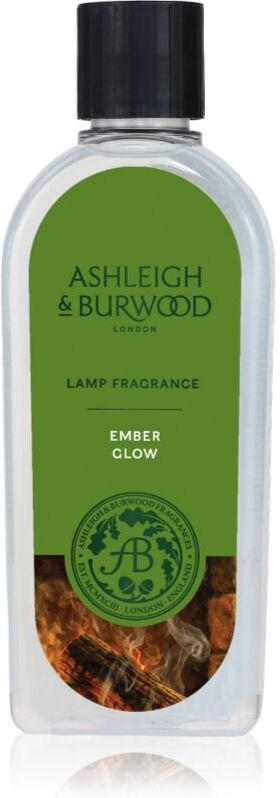
Ashleigh & Burwood London Ember Glow recharge pour lampe catalytique 500 mlAshleigh & Burwood London Ember Glow, 500 ml, Recharge pour lampe à catalyse Parfum d'ambiance, Pour que votre intérieur respire la propreté et la fraîcheur, vous devez commencer par créer une atmosphère propice. C’est précisément ce que la recharge pour la lampe à catalyse Ashleigh & Burwood London Ember Glow permet de faire : elle le parfume et contribue à le rafraîchir. Il suffit de la verser dans la lampe et de laisser l’espace se remplir de son agréable parfum. Le produit : parfume agréablement l’espace peut être laissée sans surveillance élimine toutes les mauvaises odeurs de la pièce, y compris les odeurs de cigarettes, de cuisson ou celles dégagées par les animaux domestiques parfum chaleureux arôme épicé Mode d’emploi : Utilisez selon les instructions jointes. Retirez le couvercle décoratif et l’éteignoir. Utilisez un entonnoir pour verser le parfum jusqu’au 2/3 de la lampe. Remettez la mèche et le brûleur et refermez avec l’éteignoir. Environ 20 minutes plus tard, lorsque le parfum remonte le long de la mèche jusqu’au brûleur, allumez le brûleur à l’aide d’un briquet. Laissez la flamme pendant environ 3 à 5 minutes, puis éteignez-la. Recouvrez le brûleur avec le couvercle décoratif. Le processus de catalyse est ainsi lancé et la lampe commence à émettre le parfum. Lorsque l’intensité du parfum obtenue est satisfaisante, remplacez le couvercle décoratif par l’éteignoir. Cela met fin au processus de catalyse.17,50 €*Shipping: 3,45 €Secure redirect to the provider



-
When do you use Simple Past or Past Progressive?
Simple Past is used to describe completed actions or events in the past, while Past Progressive is used to describe actions that were in progress at a specific point in the past. Simple Past is often used for actions that happened at a specific time or for a specific duration, while Past Progressive is used for actions that were ongoing or interrupted by another action. Additionally, Past Progressive is often used to set the scene or provide background information in a narrative. **
-
Should I use the past simple or the past progressive?
The choice between using the past simple or the past progressive depends on the specific context and the action being described. The past simple is used to describe completed actions in the past, while the past progressive is used to describe actions that were ongoing or in progress at a specific point in the past. If the action is a single, completed event, the past simple is appropriate. If the action was ongoing or in progress at a specific time in the past, the past progressive is the better choice. **
-
What is the difference between Past Progressive and Past Continuous?
The terms "Past Progressive" and "Past Continuous" are actually interchangeable and refer to the same tense in English grammar. Both terms are used to describe an action that was ongoing or in progress at a specific point in the past. For example, "I was studying" and "I was reading" are both examples of the past progressive/continuous tense, indicating that the action was happening in the past and was ongoing. Therefore, there is no difference between the two terms, and they can be used interchangeably. **
-
What is the difference between Past Perfect and Past Progressive?
The Past Perfect tense is used to show that an action was completed before another action took place in the past. It is formed by using the auxiliary verb "had" followed by the past participle of the main verb. For example, "She had already finished her homework when her friends arrived." On the other hand, the Past Progressive tense is used to show that an action was ongoing or in progress at a specific point in the past. It is formed by using the past tense of the verb "to be" (was/were) followed by the present participle of the main verb. For example, "She was studying when her friends arrived." In summary, the Past Perfect tense is used to show the completion of an action before another action in the past, while the Past Progressive tense is used to show an ongoing action at a specific point in the past. **

What is the difference between Simple Past and Past Progressive?
The Simple Past tense is used to describe an action that happened at a specific point in the past and is now completed. For example, "I ate dinner at 6 pm." On the other hand, the Past Progressive tense is used to describe an action that was ongoing or in progress at a specific point in the past. For example, "I was eating dinner at 6 pm." The Past Progressive tense emphasizes the ongoing nature of the action, while the Simple Past tense simply states that the action occurred. **
How can one differentiate between Simple Past and Past Progressive?
The Simple Past tense is used to describe a completed action in the past, while the Past Progressive tense is used to describe an ongoing or continuous action in the past. In the Simple Past, the verb is in its past tense form (e.g. walked, ate), while in the Past Progressive, the verb is in the past tense form of "to be" (e.g. was/were) and the present participle form of the main verb (e.g. was walking, were eating). Additionally, the Simple Past is often used to talk about a specific point in time in the past, while the Past Progressive is used to describe a longer or interrupted action in the past. **
Top-Angebote
Products related to Past Progressive:
-
Pretty Love Plug anal gonflable Drake pour une stimulation progressiveOffrez-vous une expérience intime tout en douceur avec ce plug anal gonflable conçu pour s'adapter à vos envies et votre confort 🖤.Une matière douce qui respecte votre corpsFabriqué en silicone de qualité, ce plug anal offre une texture souple et agréable au toucher, idéale pour une insertion en34,99 €*Shipping: 0,00 €Secure redirect to the provider
-
PALLADIUM Baskets Pallaracer FlameDétails produit • Usage sportswear • Talon plat • Fermeture : A lacets Composition et Entretien • Dessus/Tige : 45% polyamide, 35% nubuck, 20% synthétique • Doublure : 100% polyester • Semelle intérieure : 100% polyester • Semelle extérieure : 100% caoutchouc • OEKO-TEX® Standard 100. La certification OEKO-TEX® Standard 100 contrôle les substances nocives des produits textiles via un label indépendant et international.58,50 €*Shipping: 3,99 €Secure redirect to the provider
-
Coeur Ardent Doigt Vibrant à Double Moteur INFERNOFaites glisser vos doigts et sentez la vibration s’éveiller sous la peau. C’est instantané. La main s’anime, le rythme change, la curiosité monte. Avec le Doigt Vibrant à Double Moteur INFERNO de Coeur Ardent, chaque geste devient une découverte.Deux moteurs pour une intensité maîtrisée 🔥Ce petit37,99 €*Shipping: 0,00 €Secure redirect to the provider
-
GOLA Baskets à scratchs, DAYTONA BLAZE STRAPDétails produit • Usage sportswear • Talon plat • Fermeture : A scratchs Composition et Entretien • Dessus/Tige : 80% polyuréthane, 20% cuir • Doublure : 100% textile • Semelle intérieure : 100% textile • Semelle extérieure : 100% caoutchouc • CUIR ISSU DE TANNERIES AUX PERFORMANCES ENVIRONNEMENTALES CERTIFIÉES. La certification Leather Working Group (LWG) est une certification internationale de référence portant sur la performance environnementale des tanneries (consommation d’énergie et d’eau, rejets dans l’eau, émissions dans l’air, etc.).65,00 €*Shipping: 3,99 €Secure redirect to the provider
-
When do you use the past perfect progressive and the past progressive?
The past perfect progressive is used to describe an action that was ongoing in the past before another action took place. For example, "She had been studying for hours before her friends arrived." On the other hand, the past progressive is used to describe an ongoing action in the past without reference to another action. For example, "She was studying when her friends arrived." Both tenses are used to provide context and clarity about the timing of events in the past. **
-
What is the difference between the Past Progressive and the Past Perfect Progressive?
The Past Progressive tense is used to describe an ongoing action that was happening in the past. It is formed by using the past tense of the verb "to be" (was/were) and the present participle of the main verb (e.g. "was running"). On the other hand, the Past Perfect Progressive tense is used to describe a continuous action that was happening in the past before another action took place. It is formed by using the past perfect tense of the verb "to be" (had been) and the present participle of the main verb (e.g. "had been running"). In summary, the Past Progressive describes an ongoing action in the past, while the Past Perfect Progressive describes a continuous action that had been happening before another action in the past. **
-
When do you use Simple Past or Past Progressive?
Simple Past is used to describe completed actions or events in the past, while Past Progressive is used to describe actions that were in progress at a specific point in the past. Simple Past is often used for actions that happened at a specific time or for a specific duration, while Past Progressive is used for actions that were ongoing or interrupted by another action. Additionally, Past Progressive is often used to set the scene or provide background information in a narrative. **
-
Should I use the past simple or the past progressive?
The choice between using the past simple or the past progressive depends on the specific context and the action being described. The past simple is used to describe completed actions in the past, while the past progressive is used to describe actions that were ongoing or in progress at a specific point in the past. If the action is a single, completed event, the past simple is appropriate. If the action was ongoing or in progress at a specific time in the past, the past progressive is the better choice. **
Similar search terms for Past Progressive
-
Ashleigh & Burwood London Ember Glow recharge pour lampe catalytique 500 mlAshleigh & Burwood London Ember Glow, 500 ml, Recharge pour lampe à catalyse Parfum d'ambiance, Pour que votre intérieur respire la propreté et la fraîcheur, vous devez commencer par créer une atmosphère propice. C’est précisément ce que la recharge pour la lampe à catalyse Ashleigh & Burwood London Ember Glow permet de faire : elle le parfume et contribue à le rafraîchir. Il suffit de la verser dans la lampe et de laisser l’espace se remplir de son agréable parfum. Le produit : parfume agréablement l’espace peut être laissée sans surveillance élimine toutes les mauvaises odeurs de la pièce, y compris les odeurs de cigarettes, de cuisson ou celles dégagées par les animaux domestiques parfum chaleureux arôme épicé Mode d’emploi : Utilisez selon les instructions jointes. Retirez le couvercle décoratif et l’éteignoir. Utilisez un entonnoir pour verser le parfum jusqu’au 2/3 de la lampe. Remettez la mèche et le brûleur et refermez avec l’éteignoir. Environ 20 minutes plus tard, lorsque le parfum remonte le long de la mèche jusqu’au brûleur, allumez le brûleur à l’aide d’un briquet. Laissez la flamme pendant environ 3 à 5 minutes, puis éteignez-la. Recouvrez le brûleur avec le couvercle décoratif. Le processus de catalyse est ainsi lancé et la lampe commence à émettre le parfum. Lorsque l’intensité du parfum obtenue est satisfaisante, remplacez le couvercle décoratif par l’éteignoir. Cela met fin au processus de catalyse.17,50 €*Shipping: 3,45 €Secure redirect to the provider
-
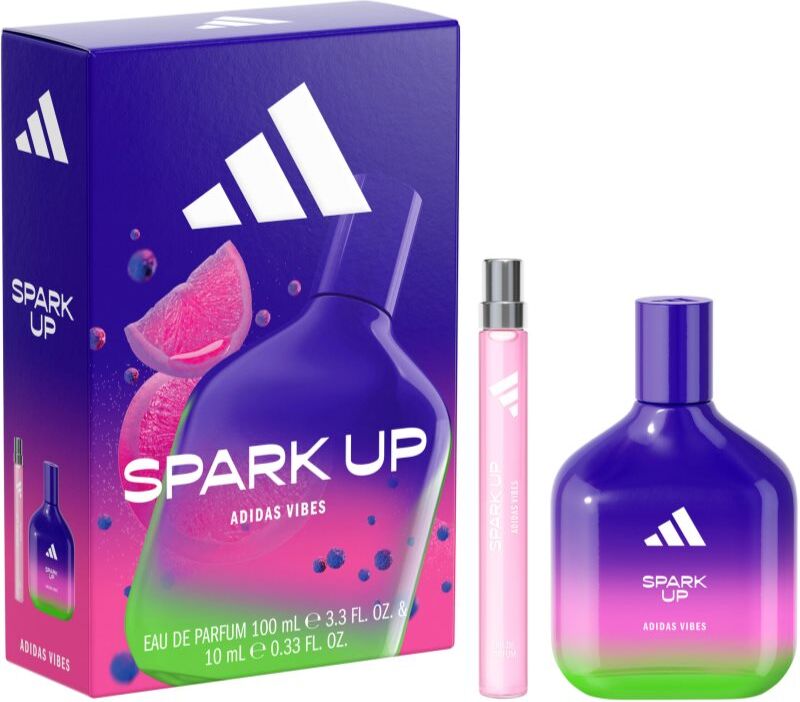
Adidas Vibes Spark Up coffret cadeau mixteAdidas Vibes Spark Up, , Coffret unisexe pour femme, Rien ne plaira plus aux amatrices de parfum que la miniature de leur parfum préféré, qu'elles pourront emporter partout. Le coffret de parfum mixte Adidas Vibes Spark Up plaira à coup sûr, pour vous ou à offrir. Le grand flacon restera sur la tablette de toilette, alors que la version miniature vous accompagnera dans tous vos déplacements. Le produit : mixte : tant pour les femmes que pour les hommes parfum hespéridé parfum épicé parfum floral composition équilibrée qui convient tant aux femmes qu’aux hommes cadeau idéal pour les personnes qui aiment les parfums originaux et singuliers parfum qui convient pour un usage quotidien, mais également pour des occasions spéciales L'ensemble contient: Adidas Vibes Spark Up Eau de Parfum 100 ml Adidas Vibes Spark Up Eau de Parfum 10 ml18,50 €*Shipping: 3,45 €Secure redirect to the provider
-
CONVERSE Baskets cuir Pro Blaze Strap Foundational LeatherDétails produit • Usage sportswear • Talon plat • Fermeture : A lacets et à scratch Composition et Entretien • Dessus/Tige : 100% cuir • Doublure : 100% textile • Semelle intérieure : 100% textile • Semelle extérieure : 100% caoutchouc32,50 €*Shipping: 3,99 €Secure redirect to the provider
-
What is the difference between Past Progressive and Past Continuous?
The terms "Past Progressive" and "Past Continuous" are actually interchangeable and refer to the same tense in English grammar. Both terms are used to describe an action that was ongoing or in progress at a specific point in the past. For example, "I was studying" and "I was reading" are both examples of the past progressive/continuous tense, indicating that the action was happening in the past and was ongoing. Therefore, there is no difference between the two terms, and they can be used interchangeably. **
-
What is the difference between Past Perfect and Past Progressive?
The Past Perfect tense is used to show that an action was completed before another action took place in the past. It is formed by using the auxiliary verb "had" followed by the past participle of the main verb. For example, "She had already finished her homework when her friends arrived." On the other hand, the Past Progressive tense is used to show that an action was ongoing or in progress at a specific point in the past. It is formed by using the past tense of the verb "to be" (was/were) followed by the present participle of the main verb. For example, "She was studying when her friends arrived." In summary, the Past Perfect tense is used to show the completion of an action before another action in the past, while the Past Progressive tense is used to show an ongoing action at a specific point in the past. **
-
What is the difference between Simple Past and Past Progressive?
The Simple Past tense is used to describe an action that happened at a specific point in the past and is now completed. For example, "I ate dinner at 6 pm." On the other hand, the Past Progressive tense is used to describe an action that was ongoing or in progress at a specific point in the past. For example, "I was eating dinner at 6 pm." The Past Progressive tense emphasizes the ongoing nature of the action, while the Simple Past tense simply states that the action occurred. **
-
How can one differentiate between Simple Past and Past Progressive?
The Simple Past tense is used to describe a completed action in the past, while the Past Progressive tense is used to describe an ongoing or continuous action in the past. In the Simple Past, the verb is in its past tense form (e.g. walked, ate), while in the Past Progressive, the verb is in the past tense form of "to be" (e.g. was/were) and the present participle form of the main verb (e.g. was walking, were eating). Additionally, the Simple Past is often used to talk about a specific point in time in the past, while the Past Progressive is used to describe a longer or interrupted action in the past. **
* All prices are inclusive of VAT and, if applicable, plus shipping costs. The offer information is based on the details provided by the respective shop and is updated through automated processes. Real-time updates do not occur, so deviations can occur in individual cases. ** Note: Parts of this content were created by AI.